

Airport travel safety tips are defined as the essential practices and precautions that allow travellers to pass through airport procedures smoothly while protecting their health, identity, and belongings. Frequent travellers who prepare well avoid the most common pitfalls: missed flights, confiscated items, and opportunistic theft. From the TSA 3-1-1 liquids rule to trusted traveller programmes like TSA PreCheck, the right preparation makes the difference between a stressful departure and a confident one. This guide covers the most effective safety tips for airport travel, ordered by the stage of your journey at which they apply.
1. How early should you arrive at the airport?
Arriving at least two hours before departure is the standard recommendation for domestic flights. That window gives you time to check in, clear security, and reach your gate without rushing. During peak holiday periods or when bad weather is forecast, add a further 30–60 minutes to that estimate.
Real-time security wait times are now publicly available at most major airports through their official websites or apps. Checking these before you leave home is one of the most underused airport travel precautions available to frequent travellers. A queue that looks manageable at 6:00 AM can triple by 7:30 AM on a busy morning.
- Allow 2 hours before domestic departures as a minimum.
- Allow 3 hours before international departures.
- Add extra time during school holidays, bank holidays, and severe weather.
- Check your airport’s live security wait times before leaving home.
- Factor in car park shuttle times if you are not being dropped at the terminal.
Pro Tip: Set a departure alarm from home, not just a flight alarm. Work backwards from your gate close time, not your departure time.
2. What are the essential packing rules for airport security?
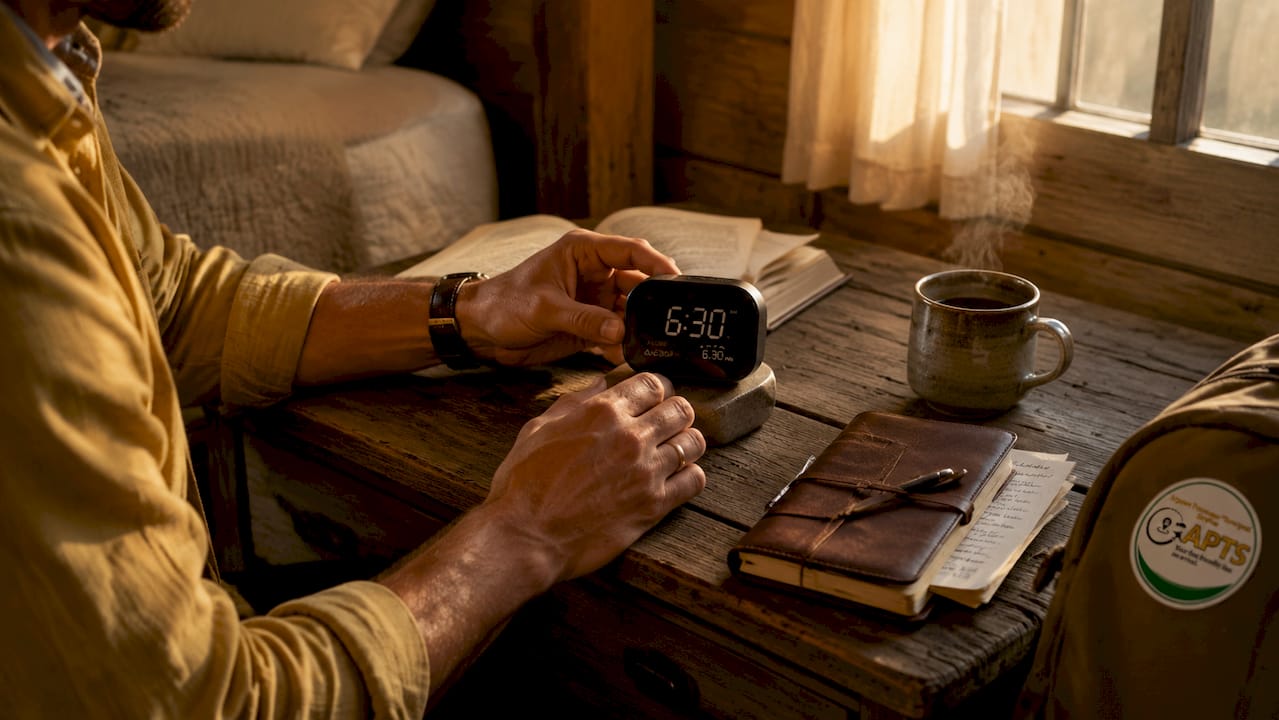
The TSA 3-1-1 liquids rule limits all liquids, gels, and aerosols to containers of 100ml or less, all fitting into one clear, quart-sized plastic bag per traveller. This rule applies at airports across Ireland, the EU, and internationally. Exceeding it results in confiscation at the checkpoint, which is both wasteful and avoidable.
Packing with security in mind saves time for everyone in the queue behind you. Follow these steps before you zip your bag:
- Place all liquids in a single clear bag and put it at the top of your carry-on for easy removal.
- Pack medications separately and carry a prescription note for controlled substances.
- Keep electronics in outer pockets so they can be removed quickly at the scanner.
- Leave oversized liquids, aerosols, and sharp items at home or in checked luggage.
- Use packing cubes to keep your carry-on organised and reduce rummaging at the checkpoint.
- Avoid packing food items that are gel-like in consistency, such as peanut butter or hummus, in your carry-on. These are frequently flagged.
Pro Tip: Pack a spare clear plastic bag in your carry-on. If a security officer asks you to repack your liquids, you will have one ready.
3. How to speed through security checks safely
TSA PreCheck costs $80 for five years and allows members to use dedicated lanes where shoes, laptops, and liquids can stay in your bag. Clear, which includes PreCheck access, costs $209 per year and adds biometric facial recognition at participating airports. Both programmes reduce contact time and queue length considerably.
Beyond enrolment in a trusted traveller programme, your clothing choices affect how quickly you clear screening. Certain footwear such as steel-toed boots or Birkenstocks regularly triggers metal detector alarms. Removing them before you reach the conveyor belt saves time for you and the travellers behind you.
- Have your boarding pass and photo ID ready before you reach the document check.
- Remove your belt, watch, and any metal jewellery before joining the queue.
- Avoid clothing with metal embellishments such as sequins or rhinestones, which can trigger additional pat-downs.
- Place your phone in your carry-on before the scanner, not in a tray.
- If selected for additional screening, remain calm and cooperative. Resistance prolongs the process.
TSA PreCheck’s Touchless ID feature uses facial recognition technology to verify identity at participating airports. This reduces physical contact and speeds up the identity check stage significantly. Frequent travellers who use this feature report noticeably shorter processing times.
4. How to protect your belongings and personal safety at the airport
Seat pockets on aircraft are a common location for theft. Valuables left in seat pockets are easily taken during boarding or deplaning when the cabin is crowded. Use travel locks to secure carry-on zippers to overhead bin handles instead.
Keeping both physical and digital copies of key documents is one of the most effective travel safety precautions you can take. Store encrypted digital copies of your passport, travel insurance, and booking confirmations in a secure cloud folder. If your bag is stolen, you can still prove your identity and access your itinerary.
For travellers with children, photographing your child in their current outfit upon arrival at the airport gives security staff an accurate, up-to-date reference if separation occurs. Introduce children to airport staff early in your visit. This reduces their anxiety and means they know who to approach if they become separated from you.
Knowing the layout of your airport, including the locations of family bathrooms, nursing rooms, and play areas, helps you manage children’s needs without losing track of time or position. Most major airports publish terminal maps on their websites.
Health precautions matter on long-haul flights. Move regularly in your seat, stay hydrated, and consider compression socks if you are prone to swelling. A pre-travel medical check four to six weeks before departure confirms your vaccinations are current and flags any destination-specific health risks.
For corporate travellers, corporate travel safety guidance published in 2026 reinforces the value of pre-trip health checks and document backups as standard practice, not optional extras.
5. What are the best seat choices for onboard safety?
Passengers seated near emergency exits statistically have better outcomes in aircraft emergencies. Aisle seats allow faster evacuation than window seats. This is a minor but meaningful consideration when selecting your seat during booking.
Seat selection also affects your comfort and alertness during long flights. Travellers who are well-rested and comfortable are more attentive to their surroundings and less likely to leave belongings unattended. Choose a seat that supports your ability to stay aware throughout the flight.
Read the safety card in your seat pocket at the start of every flight, even if you are a frequent flyer. Exit locations vary between aircraft types. Knowing the nearest exit before you need it is a straightforward precaution that takes under two minutes.
6. How to avoid airport scams and stay alert
Airport scams follow predictable patterns. Distraction theft is the most common: one person engages you in conversation while another takes your bag or phone. The busiest checkpoints, currency exchange queues, and baggage carousels are the highest-risk locations.
Use RFID-blocking sleeves or wallets to protect contactless cards and e-passports from electronic skimming. These are inexpensive and widely available. They add a layer of protection that costs nothing in terms of time or effort.
Only use official, licensed ground transport from designated taxi ranks or pre-booked services. Unlicensed drivers who approach you in arrivals halls are a known scam in many airports across Europe. Booking your airport transfer in advance removes this risk entirely and gives you a confirmed, named driver to meet.
7. Airport health guidelines every traveller should follow
Airports are high-traffic environments where respiratory illnesses spread easily. Wash your hands thoroughly after passing through security, after touching shared surfaces, and before eating. Hand sanitiser is a practical backup when sinks are not immediately accessible.
Stay hydrated. Airport air is dry, and dehydration increases fatigue and reduces alertness. Buy a large bottle of water once you are past security and drink it before boarding. Avoid excessive alcohol in airport lounges, particularly on early morning or long-haul flights.
A pre-travel medical check four to six weeks before departure is the standard recommendation for international travel. This window allows time for any required vaccinations to take effect. Travellers visiting regions with specific health advisories should consult their GP or a travel health clinic well in advance.
Key takeaways
Safe airport travel depends on preparation before you leave home, not on decisions made at the terminal.
| Point | Details |
|---|---|
| Arrive with time to spare | Allow at least 2 hours for domestic flights and 3 hours for international departures. |
| Follow the 3-1-1 liquids rule | Pack all liquids in containers of 100ml or less in a single clear bag. |
| Use a trusted traveller programme | TSA PreCheck or Clear reduces queue time and physical contact at security. |
| Protect documents and valuables | Carry physical and digital copies of key documents; use travel locks on carry-on bags. |
| Book transport in advance | Pre-booked, licensed airport transfers eliminate the risk of unlicensed driver scams. |
Declan’s view: what frequent flyers get wrong about airport safety
The most common mistake I see among frequent travellers is confusing familiarity with preparedness. Flying regularly does not make you immune to the things that go wrong. If anything, routine breeds complacency, and complacency is where problems start.
The travellers who move through airports most efficiently are not the ones who know every shortcut. They are the ones who have a consistent system. Same packing method every time. Same arrival window. Same approach to security. Consistency removes the decisions you should not be making at 5:30 AM.
One thing that rarely gets mentioned: your attitude at the security checkpoint matters more than most people realise. Officers are trained to notice agitation and evasiveness. A calm, cooperative demeanour gets you through faster and with less scrutiny. Frustration, even when justified, tends to slow things down for everyone.
For travellers with children, the airport layout tip is genuinely underused. Knowing where the family bathrooms and play areas are before you arrive means you are not searching for them under pressure. That kind of preparation is what separates a smooth airport experience from a stressful one.
— Declan
Professional airport transfers that complement your travel safety plan
Planning your airport journey does not end at the terminal door. The transfer to and from the airport is part of your overall travel safety checklist, and it deserves the same level of preparation.
Apts provides professional taxi, executive taxi, and chauffeur services to and from airports throughout Ireland and Spain. Every booking includes a named, licensed driver, a confirmed vehicle, and a meet-and-greet service at arrivals. There are no unlicensed drivers, no surge pricing, and no uncertainty about who is collecting you. For families, business travellers, and VIP passengers, Apts offers a taxi service selection guide to help you choose the right vehicle and service level for your trip. You can also review the full list of airports covered by Apts before you book.
FAQ
How early should I arrive at the airport?
Arrive at least two hours before domestic flights and three hours before international departures. Add extra time during public holidays or severe weather.
What is the TSA 3-1-1 liquids rule?
The 3-1-1 rule limits liquids, gels, and aerosols to containers of 100ml or less, all placed in one clear, quart-sized bag per traveller. Items exceeding this limit are confiscated at the checkpoint.
How do I protect my belongings at the airport?
Use travel locks on carry-on zippers, avoid leaving valuables in seat pockets, and carry both physical and digital copies of your passport and insurance documents.
What is TSA PreCheck and is it worth it?
TSA PreCheck costs $80 for five years and allows members to use dedicated security lanes without removing shoes, laptops, or liquids. For frequent travellers, the time saving justifies the cost within the first few trips.
How can I keep my children safe at the airport?
Photograph your child in their current outfit upon arrival, introduce them to airport staff early, and familiarise yourself with the terminal layout including family bathrooms and play areas before you travel.
Recommended
- How to plan holiday airport travel: your 2026 guide
- Tips for stress-free airport transfers in 2026
- How to get airport pickup: a clear 2026 guide
- Top airport pick-up tips for stress-free travel in 2026
Article checked by Declan Rodden.